From hurling to Finnish baseball: Europe's push to keep traditional sports alive
EU ministers have called for more support for local games. The challenge is keeping living traditions accessible to a new generation, not simply preserving their history.
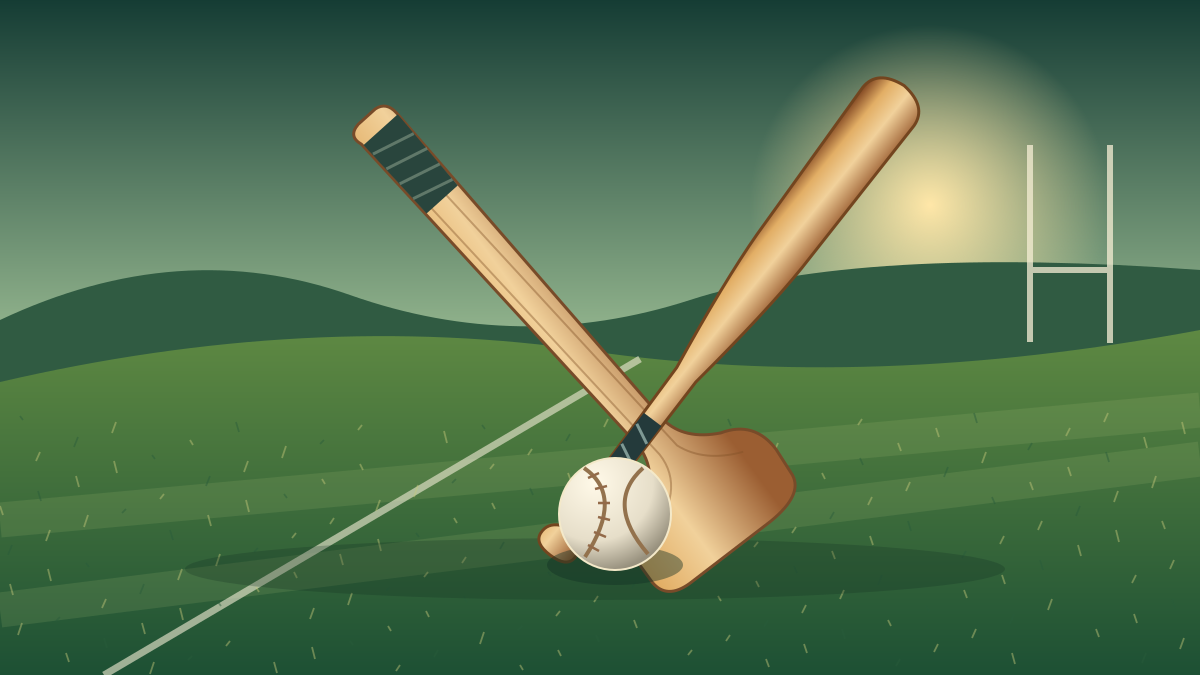
A wooden stick and a small ball are enough to connect an Irish sporting tradition with a question facing many communities across Europe: how do you pass a local game on to children who have more choices about how to spend their free time than previous generations?
On 20 November 2026, EU ministers approved conclusions encouraging countries to preserve and promote traditional sports and games. The decision, taken at the Education, Youth, Culture and Sport Council, places particular emphasis on attracting younger participants and communities that face barriers to joining in.
The initiative covers far more than familiar stadium sports. The Council's examples range from Irish hurling and Finnish pesäpallo to competitive log chopping in the Basque region and Czech football tennis. What connects them is their relationship with local communities, rather than a common set of rules.
Why heritage is more than a museum collection
Preserving an old sporting object is different from preserving the knowledge of how to use it. A museum can display equipment and explain where it came from, but a living game also requires people who can teach it, places where it can be played and participants who want to return.
Hurling illustrates the distinction. UNESCO added the Irish tradition to its Representative List of the Intangible Cultural Heritage of Humanity in 2018. Its recognition concerns the practice and transmission of the game, not merely the physical objects associated with it. Players use a stick called a hurley and a small ball known as a sliotar. Learning how to handle both is an important part of becoming comfortable with the sport.
That process can begin with an informal introduction rather than competitive selection. A beginner who can borrow equipment and learn alongside other newcomers faces a different experience from someone expected to arrive with established skills.
What makes Finnish baseball different?
Pesäpallo is a useful example of how a familiar sporting idea can develop into a distinct local tradition. Like American baseball, it involves batting, fielding and running between bases. In the Finnish game, however, the pitcher tosses the ball vertically beside the batter instead of throwing it horizontally from a distant mound.
For a first-time spectator, watching the placement of the hit and the runners' movement can be a useful way to begin understanding the game. The Finnish federation provides information for international audiences, including guidance on its playing rules.
What the EU decision actually does
The Council wants governments and the European Commission to encourage participation, cooperate across policy areas and share successful approaches. Existing programmes such as Erasmus+ and the European Week of Sport are among the possible routes for supporting that work.
These conclusions are a policy direction, not a new law requiring every school to teach a particular game. They do not establish a guaranteed grant for every club or announce a single European league.
How a local initiative could make a difference
Imagine a club introducing a traditional sport through a school or neighbourhood event. It could lend equipment, offer a beginner session and connect interested families with regular coaching. A public demonstration might attract attention, but an affordable and accessible route into weekly participation would be more likely to sustain that interest.
There are practical ways to assess the results: how many first-time participants return, whether equipment costs prevent involvement, and whether the club has enough volunteers to welcome newcomers. These are suggested measures, not targets adopted by the Council.
Adaptation also raises a question for communities: which changes make a game easier to learn, and which would alter what makes it distinctive? The people who practise and teach the tradition are important voices in that discussion.
What to watch next
The meaningful next step will be how national authorities, sporting organisations and local groups turn the policy into opportunities to play. Clubs considering funding should check the actual eligibility and application conditions of the relevant programmes rather than assume the Council decision creates an automatic entitlement.
For readers, the story offers an invitation to look beyond the most widely televised competitions. A traditional sport does not have to become a global commercial success to remain a valuable part of everyday community life.
Sources & further reading
- Council of the EU — traditional sports conclusions, 20 November 2026
- Council of the EU — meeting summary, 20 November 2026
- 2EU Brussels — coverage of the Council decision and Romania's oină
- UNESCO — Hurling, inscribed in 2018
- Gaelic Athletic Association — heritage recognition
- Finnish Pesäpallo Federation — international tournament and rules
- MLB — introduction to Finnish baseball
AI-assisted, source-based explainer, not firsthand reporting. Published 25 November 2026. See editorial standards for corrections.