210,410 carbon monoxide detectors recalled in the US: check these two model numbers
Zenara is offering free replacements for affected Steadfast Haven detectors. Find the model number, understand the replacement instructions and review your winter home safety plan.
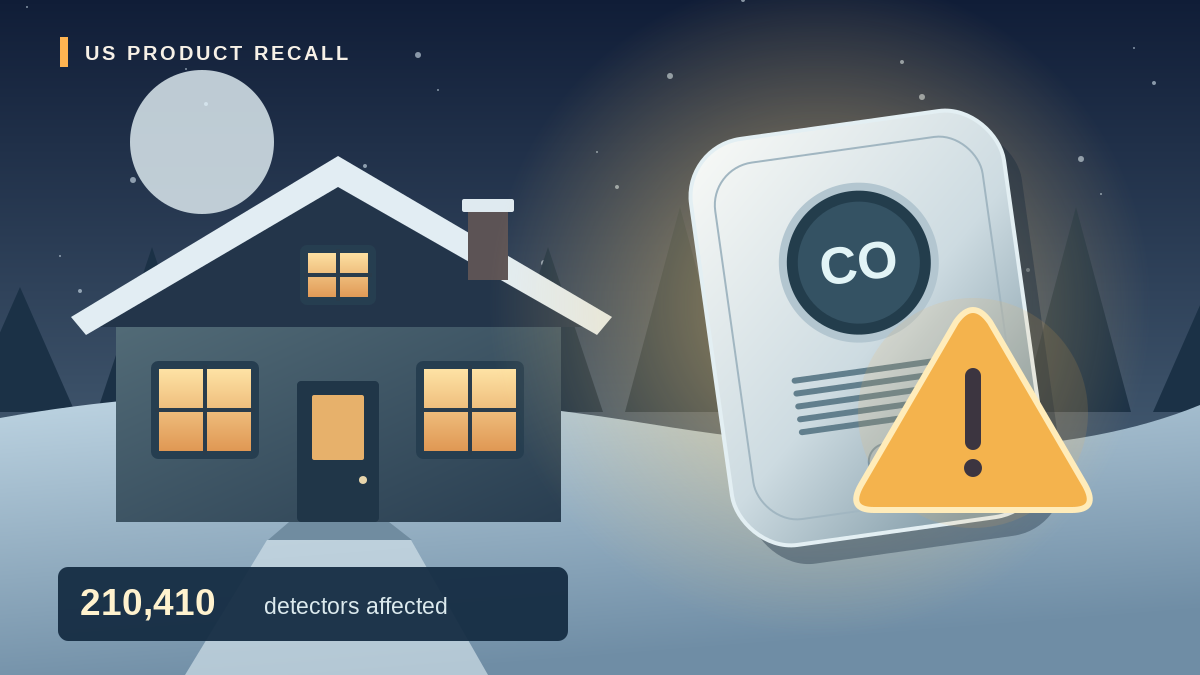
As colder weather puts heating equipment back into regular use, American households have another reason to review their carbon monoxide alarms. On November 25, 2026, the Consumer Product Safety Commission (CPSC) announced a recall covering approximately 210,410 Steadfast Haven plug-in combination detectors sold by Zenara Commerce.
The problem is that the devices may miss dangerous concentrations of carbon monoxide (CO), potentially resulting in fatal poisoning. The company received one report of a missed alarm during a CO leak; no injuries were reported as of the announcement.
Which detectors are affected?
The recall covers two models purchased on the Steadfast website between February and September 2026, at prices from $48 to $70.
| Model | Appearance |
|---|---|
| KH158 | Rounded grey or white case |
| GC03 | Rectangular black case |
Look at the rear product label when it is safe to do so. The official CPSC notice, recall 27-109, contains photographs to help with identification. Our illustration above is not a product photograph.
How to arrange a replacement
Zenara's remedy is a replacement at no charge. The recall notice instructs owners to contact the company now and keep the existing detector in service until the replacement is fitted. Because the recalled equipment may fail, arrange additional working CO protection promptly rather than relying on it alone.
Use Zenara's recall registration page and follow the official instructions for marking and photographing the recalled unit, submitting the registration and discarding the old device after replacement and confirmation. Questions can be sent to recall@truststeadfast.com. Check the CPSC notice before disposing of any unit. Federal law prohibits selling recalled products.
Why carbon monoxide is particularly dangerous in winter
CO is produced when fuels burn. It cannot be detected by smell or sight, and a household may not realize a furnace or other fuel-burning appliance is creating a dangerous situation. CDC guidance explains that exposure can cause headaches, nausea, dizziness and confusion, among other symptoms. Sleeping people may be affected before recognizing warning signs.
Alarms are an important backup, not a substitute for correct installation and maintenance of heating equipment. The CPSC recommends CO alarms with battery power or battery backup on each floor and near sleeping areas. Follow the specific installation directions for each device.
Winter home safety checklist
Use this checklist for a routine review when there is no suspected emergency. Completing it does not certify that your home is safe.
0 of 5 items reviewed.
Your choices are not saved or transmitted.
Never operate a portable generator inside a house or garage, or use a gas cooking range as a source of home heat. Read the CDC's prevention guidance for other fuel-burning equipment. If there is any doubt about an alarm or appliance, seek advice from a qualified professional.
Sources & further reading
AI-assisted, source-based consumer news, not firsthand testing or medical advice. The primary recall notice was reviewed directly; prevention guidance was checked against official CPSC and CDC extracts. The official notice takes precedence if remedy instructions change. See editorial standards for corrections.