Dutch bottle deposits are expanding to juice and milk: what shoppers need to know
Verpact is preparing a phased rollout in 2027 ahead of the proposed January 2028 rules. Here's how to recognise eligible bottles and why the expansion matters.
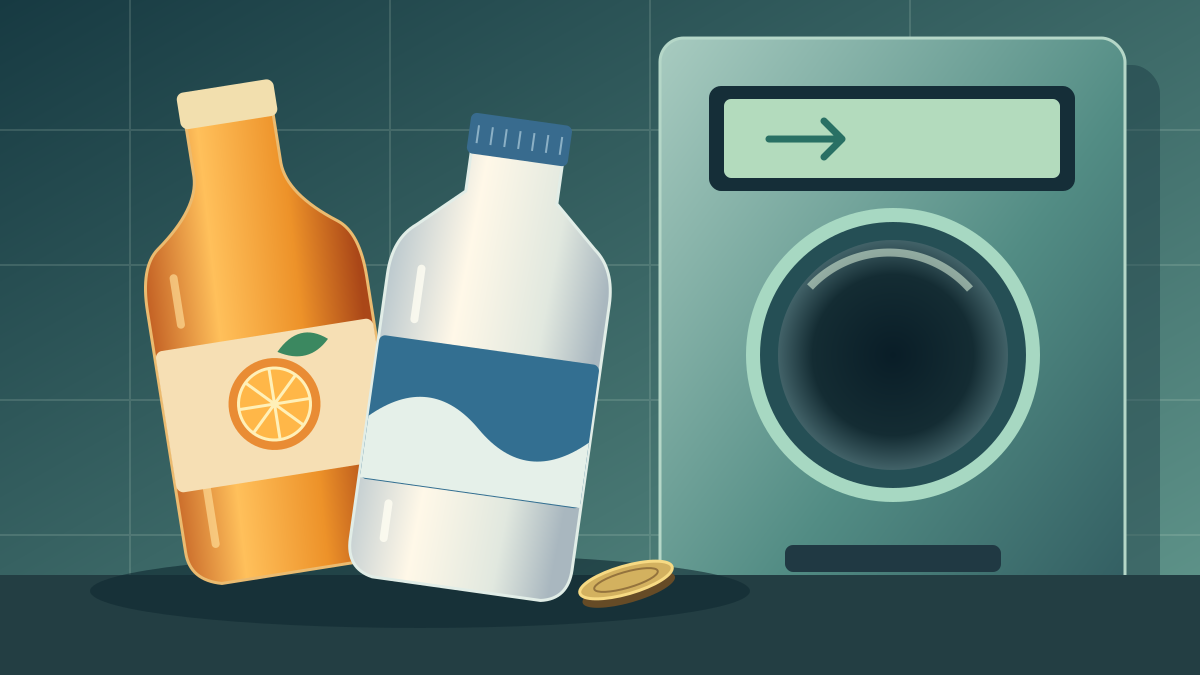
A Dutch supermarket shopper may already return a soft-drink bottle for a refund, yet find that a similar-looking milk bottle is rejected by the same machine. That difference is set to narrow under an expansion of the Netherlands' deposit-return system, known locally as statiegeld.
On 22 November 2026, packaging organisation Verpact announced preparations to bring previously excluded plastic beverage bottles of up to three litres into the system, including juice and dairy packaging. The planned introduction will happen in stages during 2027, ahead of the government's proposed effective date of 1 January 2028.
What changes, and when?
Shoppers should not assume that every milk bottle will qualify for a refund from the first day of 2027. The announcement establishes a rollout plan rather than a complete schedule for individual products. Some juice producers already participate voluntarily. The proposed expansion is designed to bring the remaining eligible beverage bottles into the scheme.
Verpact announces preparations.
Planned phased introduction; product-level dates have not been announced.
Proposed effective date for the expanded Dutch rules.
European separate-collection benchmark of 90%.
Verpact estimates that around 200 million additional packages could enter the scheme each year, compared with approximately 4.5 billion deposit-bearing packages already sold. That would increase the existing number by roughly 4.4%, assuming the estimates use comparable annual volumes. The two totals describe packages placed on the market, not packages successfully collected.
How to check whether a bottle is refundable today
Statiegeld Nederland's consumer guidance lists a €0.15 deposit on small plastic water and soft-drink bottles and beverage cans, and €0.25 on large plastic water and soft-drink bottles. These existing amounts should not be treated as a newly confirmed tariff for every future dairy or juice package.
Look for the deposit symbol, keep the barcode readable and avoid crushing the container. Return machines use the barcode and physical characteristics to identify eligible packaging. If a machine rejects a bottle, check those features before assuming there is a fault. For containers outside the deposit system, follow your municipality's collection instructions.
Why expanding eligibility matters
A collection target counts material returned, while a recycling target concerns the material actually processed into usable output. The two are connected but not identical. A deposit gives a purchaser a financial reason to return a container rather than discard it, but the collected plastic must still be sorted and processed.
Consider a hypothetical market with 100 bottles, ten of which are outside a deposit programme. Even if every participating bottle were returned, the programme would capture only 90 bottles unless other collection routes contributed. This simplified example explains why including a wider range of containers can make reaching an overall collection target easier. It is not an estimate of current Dutch collection performance.
Why retailers need preparation time
Adding new categories is more complicated than changing a price label. Dairy residue creates hygiene considerations, and new packaging shapes need to be recognised reliably. Producers, retailers and collection operators must coordinate the transition so shoppers are not charged deposits that they cannot conveniently reclaim.
The government's September proposal also envisages more return locations, a greater role for machines accepting multiple containers at once and cash refunds as an option at larger outlets. These are proposed reforms, not a description of every store's current obligations.
What to watch in 2027
The useful next milestones are confirmed product introduction dates, clear deposit amounts and the availability of suitable return points. Until more details are released, shoppers can continue checking the actual packaging rather than relying on its contents or size alone. The success of the expansion should ultimately be judged by collection and recycling results, not simply by how many more products carry a deposit.
Sources & further reading
AI-assisted, source-based explainer, not firsthand reporting. Published 25 November 2026. See editorial standards for corrections.